
Taking time off for a weekend to relax and recharge is essential for maintaining a healthy balance in life. However, weekends can sometimes become as busy and stressful as the workweek if not planned carefully. To truly enjoy a no-stress weekend, thoughtful preparation is key. This guide will help you design a weekend that allows you to unwind, refresh, and feel fully recharged by Monday.
Why Planning a No-Stress Weekend Matters
A weekend without stress isn’t just a luxury—it’s important for your mental and physical well-being. When you take the time to relax properly, you improve your focus, creativity, and overall mood. On the other hand, a busy or chaotic weekend can leave you feeling more tired than before.
By planning, you create space to enjoy activities that calm your mind and body, repair sleep patterns, and connect with loved ones or yourself in meaningful ways.
Step 1: Set Realistic Expectations
Avoid Overpacking Your Schedule
One of the biggest causes of weekend stress is trying to fit too many activities into a short time. Instead of saying yes to every invitation or chore, prioritize what truly matters to you. This could be rest, pursuing a hobby, or spending quality time with family.
Plan with Flexibility
Allow room for spontaneity or simply doing nothing. Sometimes the best moments happen when we aren’t rushing from one thing to the next.
Step 2: Prepare in Advance
Handle Chores Early
Try to complete household chores, grocery shopping, and meal prep before the weekend starts. Crossing off these tasks ahead of time will help you avoid feeling overwhelmed.
Plan Simple Meals
Opt for easy-to-make or ready-to-eat meals to simplify your weekend routine. If you prefer cooking, choose recipes that are fun but not too time-consuming.
Step 3: Create a Relaxing Environment
Declutter Your Space
A tidy, organized home creates a peaceful atmosphere. Spend a little time Friday evening or Saturday morning putting things in order.
Set the Mood
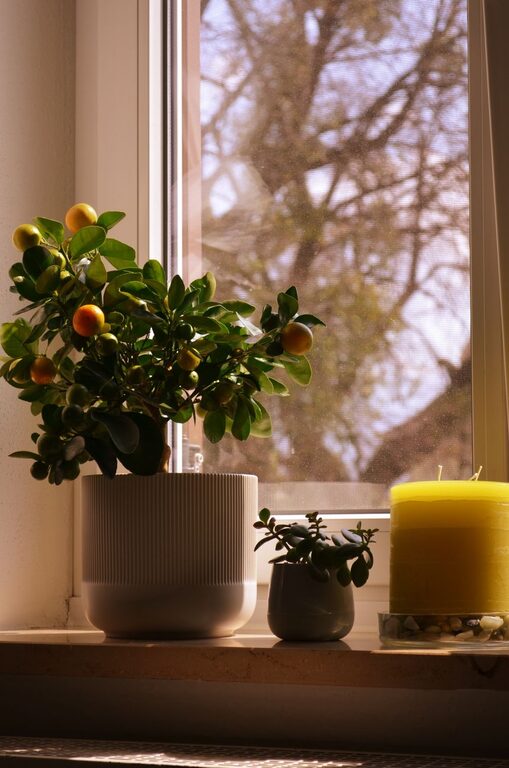
Consider soft lighting, calming scents like lavender, or gentle background music to foster relaxation.
Step 4: Design Your Weekend Activities
Enjoy Gentle Physical Activity
Light exercise such as walking, yoga, or stretching can reduce stress and improve your mood without tiring you out.
Engage in a Hobby
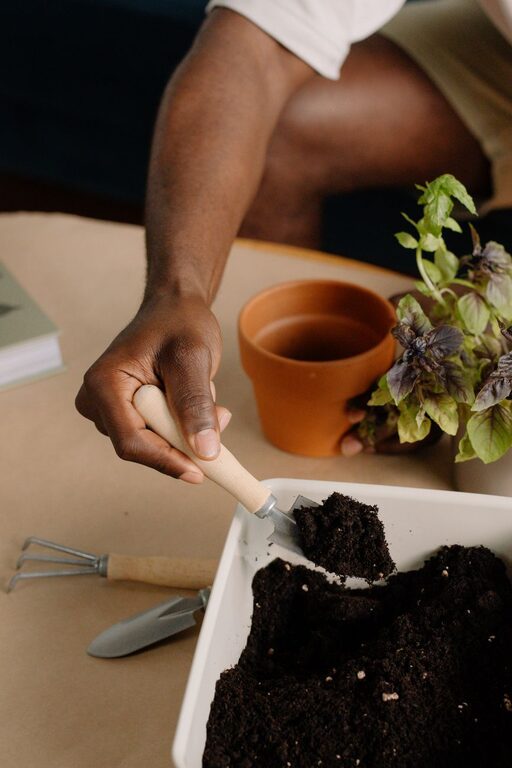
Whether it’s reading, gardening, painting, or listening to music, dedicating time to activities you love can recharge your spirit.
Practice Mindfulness or Meditation
Taking a few minutes daily to focus on the present moment can significantly reduce stress levels.
Step 5: Disconnect to Reconnect
Limit Screen Time
Try to reduce social media and email checking, which can be mentally exhausting. Instead, focus on face-to-face connections or quiet moments alone.
Spend Time Outdoors
Fresh air and nature have calming effects. Visit a park, garden, or take a simple walk to reset your mind.
Step 6: Prioritize Rest and Sleep
Keep a Consistent Sleep Schedule
Try to go to bed and wake up at similar times even on the weekend to maintain your body’s rhythm.
Create a Relaxing Bedtime Routine
Read a book, listen to calming music, or practice gentle stretches before sleep to help your body wind down.
Tips for Maintaining Your No-Stress Weekend Habit
– Set Boundaries: Communicate your plans to friends and family so they understand your need for downtime.
– Say No When Needed: It’s okay to decline invitations or tasks that don’t align with your weekend goals.
– Reflect and Adjust: At the end of the weekend, take note of what worked well and what didn’t, then tweak your plans accordingly.
– Be Kind to Yourself: Don’t stress if your weekend isn’t perfect. The goal is to feel better, not to meet unrealistic standards.
Sample No-Stress Weekend Itinerary
Friday Evening
– Prepare simple meals for the weekend
– Light tidy-up and set cozy lighting at home
– Enjoy a relaxing activity such as reading or a warm bath
Saturday
– Morning gentle yoga or walk outdoors
– Leisurely breakfast with family or friends
– Engage in a hobby or mindfulness exercise
– Unplug from digital devices mid-afternoon
– Early dinner followed by downtime, such as watching a favorite show or journaling
Sunday
– Sleep in until you feel rested
– Enjoy a slow, healthy breakfast
– Spend time outdoors or visiting a peaceful place
– Plan upcoming week lightly, avoiding over-scheduling
– Create a calm bedtime routine to prepare for Monday
—
Planning a no-stress weekend doesn’t mean you have to do nothing. It’s about choosing activities and routines that restore your energy and peace of mind. By taking small, intentional steps, you can transform how you experience your weekends, making them a true sanctuary from daily pressures.
About the Author