Creating a relaxing home workspace is essential for maintaining focus, reducing stress, and boosting productivity. Whether you work from home full-time or need a dedicated area for occasional tasks, a well-designed workspace can make all the difference. In this post, we’ll explore practical steps you can take to create a calming and comfortable environment that supports your work and well-being.
Why a Relaxing Home Workspace Matters
Your workspace affects your mood and productivity. A cluttered, uncomfortable, or noisy environment can increase stress and distract you from your tasks. Conversely, a well-organized, inviting workspace encourages concentration and a positive mindset. Investing some time into creating a space that feels relaxing can improve how you work and how you feel.
Step 1: Choose the Right Location
The first step in designing your home workspace is selecting an appropriate spot. Consider these factors:
– Natural Light: A space near a window provides natural light, which helps reduce eye strain and improves mood.
– Quietness: Choose a quiet area with minimal distractions to enhance focus.
– Space: Ensure there is enough room for your desk, chair, and any necessary equipment.
If space is limited, consider using a corner of a less-used room or even a stylish desk in the living room.
Step 2: Invest in Comfortable Furniture
Comfortable furniture is key to a relaxing workspace. Prolonged sitting in the wrong chair can lead to discomfort and health issues.
– Ergonomic Chair: Look for a chair with proper back support and adjustable height.
– Desk at Proper Height: Your desk should allow you to keep your elbows at a 90-degree angle when typing.
– Additional Seating: If space allows, add a small lounge chair or ottoman for breaks.
Remember, comfort helps maintain energy and reduces physical strain during work hours.
Step 3: Keep it Organized and Clutter-Free
Clutter can increase stress and reduce productivity. Here’s how to keep your workspace tidy:
– Storage Solutions: Use shelves, drawers, or organizers to keep supplies in place.
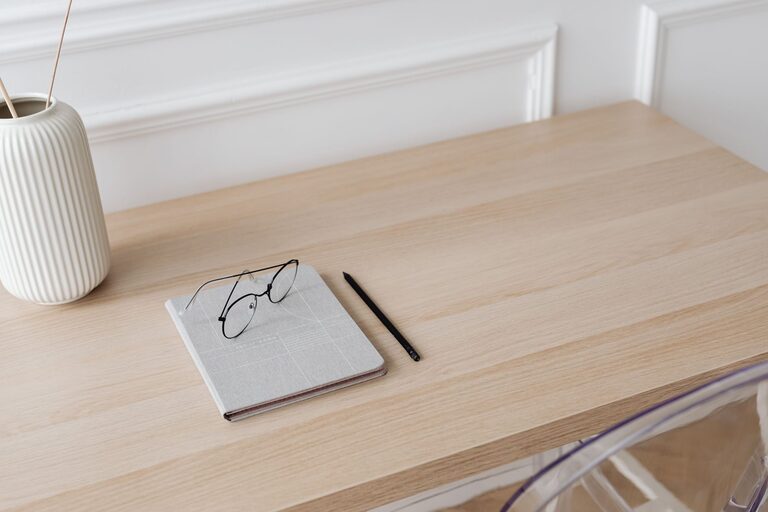
– Minimalist Approach: Only keep essential items on your desk.
– Regular Cleaning: Schedule weekly cleanups to maintain order.
A neat workspace not only looks better but also makes it easier to find what you need.
Step 4: Add Soothing Elements
Adding calming elements to your workspace can create a peaceful atmosphere.
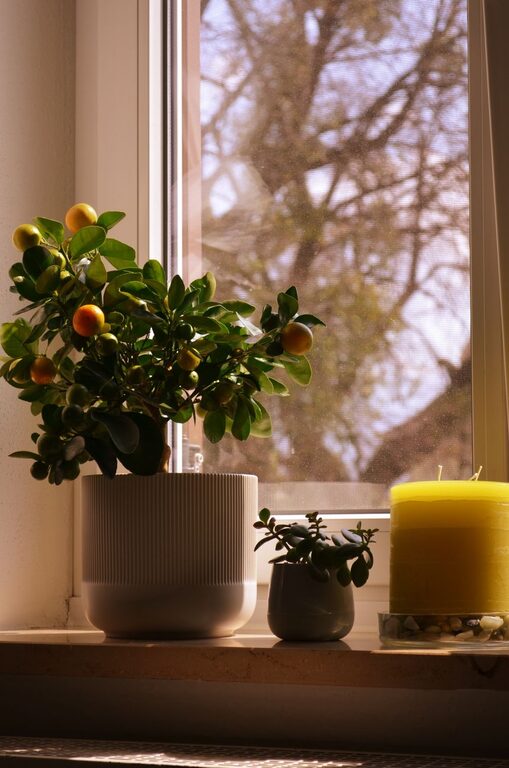
– Plants: Indoor plants improve air quality and add a touch of nature.
– Soft Lighting: Use desk lamps with warm light instead of harsh overheads.
– Artwork: Hang inspiring or tranquil pictures that make you feel calm.
– Colors: Choose soothing colors like soft blues, greens, or earth tones for your walls or decor.
These touches can help your mind relax and reduce tension during work.
Step 5: Manage Noise and Distractions
Noise can disrupt your concentration. Here are some ways to manage sound in your workspace:
– Noise-Canceling Headphones: These can block out background noise if you can’t control the environment.
– Soft Music or White Noise: Play gentle music or white noise to mask distracting sounds.
– Soundproofing: Use rugs, curtains, or foam panels if external noise is a problem.
Creating a quiet space helps maintain focus and lowers stress levels.
Step 6: Personalize Your Space
Your workspace should feel inviting and inspiring. Personalize it with items that motivate you without causing clutter.
– Photos: Add pictures of loved ones or favorite places.
– Motivational Quotes: Display quotes that encourage productivity.
– Favorite Objects: Keep a few personal items like a favorite mug, a small sculpture, or a clock.
Personal touches make your workspace uniquely yours and enjoyable to spend time in.
Step 7: Establish Boundaries
Especially when working from home, it’s important to separate work from personal life to reduce stress.
– Set Work Hours: Define specific work times and stick to them.
– Workspace Only for Work: Avoid using your workspace for non-work activities.
– Inform Others: Communicate your schedule to family or roommates to minimize interruptions.
Clear boundaries help maintain work-life balance and preserve your relaxing space.
Step 8: Maintain Healthy Habits
Finally, a relaxing workspace goes hand in hand with healthy work habits.
– Take Breaks: Step away regularly to stretch or walk around.
– Stay Hydrated: Keep a water bottle nearby.
– Organize Daily: Spend a few minutes at the start or end of each day tidying your area.
Healthy habits complement your environment and support sustained relaxation and focus.
—
Creating a relaxing home workspace doesn’t have to be complicated or expensive. With a few thoughtful adjustments, you can build a comfortable and calm area that enhances your productivity and well-being. Start with small changes today and enjoy the benefits of a workspace designed for both work and relaxation.
About the Author